

News and Insights
Latest news and insights
Reporting and analysis on AI creative, CTV delivery, and the numbers behind both.
Pay for performance advertising on CTV
How pay for performance works on CTV: CPM, CPCV, CPA goals, and cost-per-outcome pricing, with formulas, platforms that offer each, and when it pays off.
Read the articleAll posts
99 articles
Arcads alternatives for app and game ads in 2026
Compare Arcads alternatives for app and game UA teams in 2026 across avatars, hook testing, localization, pricing transparency, and ad account links.
Creative as a service vs agency vs in-house
Creative as a service, agencies, freelancers, and in-house teams compared for app and game ads: cost structure, delivery, and providers that track results.
Best AI tools for CTV ads in 2026
AI tools for streaming TV ads compared: CTV platforms with built-in AI video, standalone AI video tools, and a workflow that makes and runs the ad together.

Best CTV ad platforms for installs and ROAS in 2026
CTV ad platforms compared by type, from DSPs to Roku and Samsung to performance platforms, with the install, in-app, and ROAS goals each offers.

Best DCO platforms for video ads in 2026
DCO platforms for video and CTV ads compared: ad servers, creative versioning platforms, and social tools, with channels, buyers, and pricing.

TV ad analytics: CTV measurement tools compared
TV ad analytics tools grouped by the question each answers: reach, viewing data, outcomes, incrementality, and the reporting inside CTV buying platforms.
Pause ads and interactive CTV formats in 2026
Where to buy pause ads, QR code ads, and shoppable CTV units in 2026, how each platform sells them, and how to measure formats that run outside the ad break.

TV attribution: How it works for linear and streaming TV
TV attribution explained: how linear and streaming TV ads get credit for visits and sales, what OTT attribution covers, and how TV attribution windows work.

Programmatic TV advertising: How it works and how to buy it
Programmatic TV advertising explained: how one streaming TV impression is bought, how linear TV differs, programmatic vs direct buying, and how to start.

Video asset management: How ad teams find and reuse footage
Video asset management for ad teams: why video is harder than images, indexing by shot, reusing footage, the workflow to publishing, and what software needs.
Video ad hooks for apps: Eight types and when each works
Video ad hooks for app ads: eight opening types with examples, where 2026 video spend goes by hook type, platform rules, and how to test them.
CTV inventory: Where CTV ads run and how to choose
CTV inventory explained: the five places CTV ads run, from FAST channels to live sports, what each offers, and how to choose by campaign goal.

Creative ops for ad teams: Roles, workflow, and metrics
Creative ops for ad teams: what creative operations covers, who does what, the workflow from request to live ad and back, and the metrics to track.
Travel advertising on CTV: Bookings, lead times, and seasons
Travel advertising on CTV: how hotel, airline, and booking app teams measure booking ROAS, set attribution windows for long lead times, and plan for peaks.

Creative ROAS: Can app revenue be tied to one creative?
Creative ROAS explained: the formula, where MMPs tie app revenue to one creative, where Google, Meta, TikTok, and SKAN model it, and how to approximate it.

Fintech advertising on CTV: Accounts, deposits, and payback
Fintech advertising on CTV: how finance apps measure account opening, KYC, and first deposits, set attribution windows, and handle TV disclosure rules.

Creative win rate: How to calculate it and what is normal
Creative win rate explained: the formula, how Meta, TikTok, and Google decide a test winner, how concentrated ad spend is in 2026, and how to raise it.

IPM: How installs per mille works and how creatives move it
IPM, or installs per mille, explained: the formula, how it sets eCPM and CPI, how it differs from CTR, and how to test ad creatives on it.

AI UGC ads: What an AI creator can and cannot say
AI UGC ads explained: what an AI presenter can say in a UGC-style ad, what US rules on fake testimonials rule out, and how to test AI UGC for app ads.

D7 ROAS: How app teams use it to judge CTV campaigns
D7 ROAS explained: the formula, how MMPs count day 7, IAP and ad revenue, why CTV reads lower than Meta, and how to set a target from payback.
CTV performance metrics: Formulas and how to read each one
CTV performance metrics in four groups: delivery, response, outcomes, and incrementality. Each metric's definition, formula, data source, and how to read it.
Hold rate: How to calculate it on Meta, TikTok, and YouTube
Hold rate shows whether viewers keep watching after the hook. The formula on Meta, TikTok, and YouTube, how ad length changes it, and how to find the drop.

Performance creative agency: Deliverables and what to ask
What a performance creative agency delivers and how to evaluate one: the brief, test plans, results reviews, versions, usage rights, ad accounts, and billing.

Mobile game marketing strategy: From pre-launch to live ops
A mobile game marketing strategy by stage: pre-registration and pre-orders, App campaigns and ad networks, iOS measurement, and live ops re-engagement.

AI creative production: How ad teams go from brief to approved ads
AI creative production for ad teams: the stages from brief to approved ads, what AI takes over at each, who does the work, and how to measure output and cost.

SaaS video production: Ads for trials, sign-ups, and demos
SaaS video production for paid ads: match each ad to a trial, sign-up, or demo goal, show software with sound off, and plan a first month of video ad tests.

Demand Gen vs Performance Max: How to choose and run both
Demand Gen vs Performance Max: split Search from YouTube, Shorts, and Discover, use Lookalike and channel controls, fund 10x CPA daily, and avoid overlap.

Generative AI advertising: How AI works across one campaign
Generative AI advertising across one campaign: what AI does from planning to bidding, what people decide, how output is checked, and which AI label rules apply.
CTV advertising cost: CPMs, fees, and sizing a first budget
How CTV and OTT advertising cost is priced, what ANA benchmark CPMs show, which fees sit on top, and how to work back from reach to a first media budget.
Creative analytics: Video ad metrics, reports, and decisions
Creative analytics for video ads: metric definitions on Meta, TikTok and YouTube, fair comparison rules, a weekly report template, and briefs from findings.
CTV ad specs: File standards and creative best practices
CTV ad specs from IAB Tech Lab, ATSC and EBU, plus CTV creative best practices for the first frame, sound, text, cut length, QR codes and a delivery checklist.

How to run a CTV campaign: From setup to reporting
How to run a CTV campaign step by step: KPI and supply path, household audiences, creative IDs, budget reserve, frequency caps, pre-launch QA, and reporting.

Creative strategy in advertising: How to build one, with examples
Creative strategy in advertising sets the objective, audience, offer, message, format and test rules before concepts. How to build one, with filled-in examples.

Video ad production: From brief to every version
How video ad production works for paid social, YouTube, and CTV: the stages from brief to delivery, and how to plan formats, lengths, and languages.

How to create Instagram Stories ads and Reels ads
How to create Instagram Stories ads and Reels ads in Meta Ads Manager, with specs, lengths, safe zones, and Meta's content guidelines for Reels ads.

CTV retargeting: How it works, audiences, and measurement
CTV retargeting shows TV ads to households that visited a site, used an app, or are on a customer list. How audiences are built, measured, and kept compliant.

Creative asset management for ad teams: Rights and reuse
Creative asset management for ad teams: what to record for each file, from Ad-ID and talent usage to licenses and AI provenance, and how to reuse footage.

How to evaluate ad creative analysis tools
Seven questions for choosing an ad creative analysis tool: analysis stage, platform coverage, tagging, evidence, data needs, outputs, and pricing.
AI commercials: Examples and how to make one
AI commercial examples (2025-2026) from eToro, Taxfix, Google, and Fiat, plus the 7-step workflow from brief and storyboard to rough cut and AI labels.

YouTube ad specs 2026: Formats, lengths, and sizes
YouTube ad specs 2026: 1080p ratios, accepted file types, 6s bumper ad length, 15s and 30s TV non-skippable, Shorts, safe zones, and Demand Gen.

Ad fatigue: How to spot it on Meta, TikTok, and YouTube
Ad fatigue shows up as rising cost and falling clicks. The signals Meta, TikTok, and YouTube use, how to rule out other causes, and when to refresh creative.

Meta Advantage+ creative enhancements: What each one changes
Meta Advantage+ creative covers 31 Meta AI ad enhancements and automatic adjustments. See what edits video or image files and when to switch toggles off.

Hook Rate: How to Measure the First Seconds of a Video Ad
Hook rate formulas for Meta (3s plays) and TikTok (2s views), 2026 benchmarks (20.9% to 30.5%), Ads Manager setup, and hold rate diagnostics.

TikTok ad specs 2026: Sizes, lengths, and safe zones
TikTok ad specs 2026: 9:16 1080x1920 TikTok video ad size, 5-60s video lengths, 240/660/120px safe zones, TopView, Spark Ads specs, and carousel limits.

How to Write a Commercial Script, With Examples
Commercial script template in a two-column script format: 15s (32-word) and 30-second commercial script (65-word) caps, hooks, and TikTok/CTV examples.

Meta Andromeda: How It Works and What It Means for Creative
Meta Andromeda picks a few thousand ads for each person. How it works with GEM and Lattice, what changed in 2025 and 2026, and what it asks of creative.
Video Localization for Ads: Translate, Dub, or Transcreate
Video localization for ads works at three levels: translated text, AI dubbing, and transcreation. When each one fits, and the rules that apply to each.

TV Commercial Production: Six Checkpoints Before Air
TV commercial production runs from bid to delivery. Six checkpoints before air: deliverables, clearance, lengths, masters, loudness, and delivery.
CTV Audience Targeting: Nine Options and Their Signals
CTV audience targeting works at the household level. Nine targeting options, the identifier behind each, frequency control, and the 2026 consent rules.
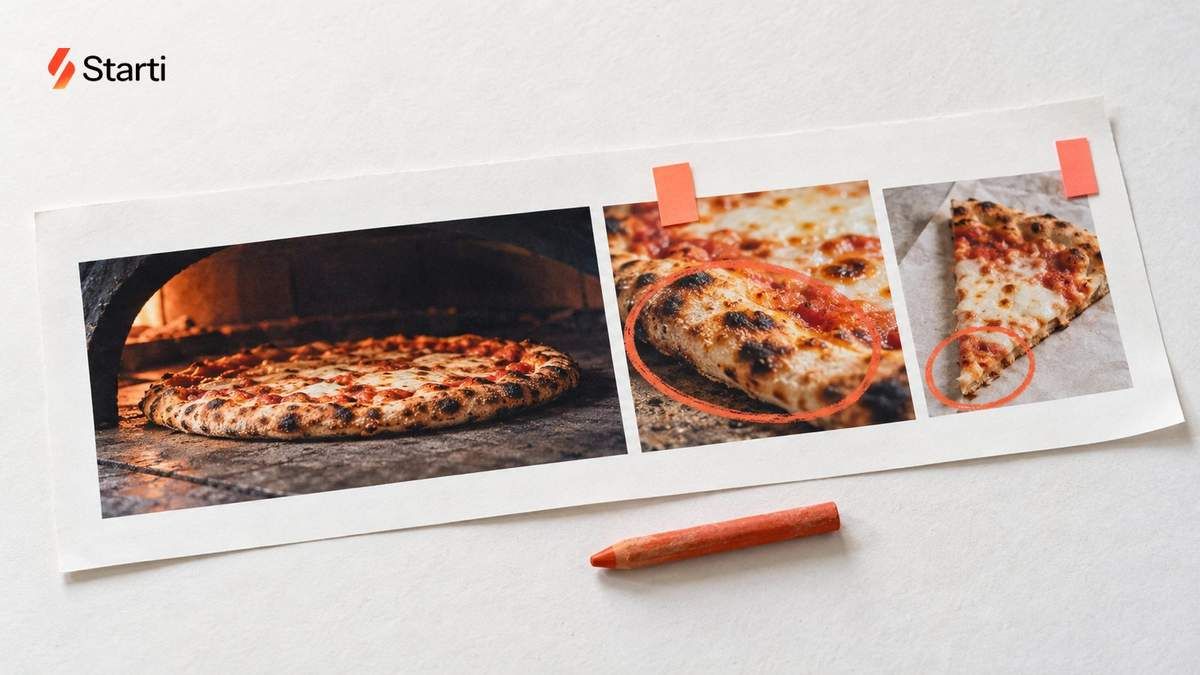
Creative Intelligence in Advertising Starts With Tagging
Creative intelligence in advertising tags what each ad contains and compares it with campaign results. Inputs, outputs, and data floors by tool.

CTV Ad Measurement: Three Paths From Exposure to Outcome
CTV ad measurement runs three ways in 2026: MMP matching for app installs, household matching for web actions, and holdout tests. What each one proves.
10 best self-serve CTV advertising platforms in 2026
Ten self-serve CTV advertising platforms compared on minimums, pricing, inventory, measurement, and creative tools, checked against vendor pages.

Mobile App Video Ads Need a Weekly Production Rhythm
App advertisers now launch new creative every week. Platform guidance, benchmarks, and a component method for producing enough mobile app video ads.

Mobile Game Advertising Is Now a Creative Throughput Problem
Mobile game ad benchmarks 2026: top studios ship 2,400 to 3,977 variants/quarter. Match Unity, TikTok, and Meta intake limits and refresh rules to scale.

Creative Testing Starts Before You Generate the Variants
Creative testing works when each AI ad variant answers a set question. Define it, tag the creative, read results in context, and brief the next round.

AI Video Ad Production: Generation Is the Easy Part
Video ad production with AI, from campaign brief to approved ad: brand context, rights, review, and performance decisions kept intact at every stage.

Video Brief Template: How to Write a Brief That Survives AI Production
Use this video brief template to align goals, claims, assets, placement, review, and measurement before AI video ad production begins.

AI Video Ad Generator or Production Platform: How to Choose
An AI video ad generator makes clips. A production platform gets approved ads to the media plan. How to tell which one your team needs.

Video Brief Examples: Three AI Video Ad Briefs, Filled In
Three completed video brief examples for AI video ads: a subscription app trial, a DTC launch, and a B2B demo campaign, on one twelve-field template.

Who Signs Off AI Generated Ads: An Approval Checklist
AI generated ads need four sign-offs before they run. What legal, brand, product, and media each approve, and at which stage of production.

AI Video Workflow After Images 2.5 and Seedance 2.5
See how to build a controlled AI video workflow with Images 2.5 and Seedance 2.5, from reference assets and generation to review, revision, and measurement.

How to Evaluate a Creative Automation Platform for Advertising
Use six workflow questions to choose a creative automation platform, from brief intake and brand context to review, approval, and measurable output.

7 AI Video Ad Tools Compared in 2026: Pricing, Workflow, and Fit
Compare the best AI video ad tools on November 2026 pricing ($10 to $39/mo), single-scene edits, Meta/TikTok/Google publishing, analytics, and CTV.
How Much Does a TV Commercial Cost in 2026?
TV commercial costs in 2026 range from $1,500 local production to $500,000+ national work, plus $100 local spots or $15 to $65 CTV CPMs.
CTV Advertising Trends 2026: Five Shifts That Matter
Five CTV advertising trends shaping 2026: fragmented video budgets, AI production, delivery transparency, outcome pricing, and disclosure requirements.
AI Didn't Peak in Advertising. The Prompt Era Did
AI in advertising moved beyond prompt-based generation. See how campaign context, approval, targeted revision, and performance feedback now shape the workflow.

The CTV Performance Gap: Why Scale Has Outpaced Optimization
Close the CTV performance gap: replace static creative, completion-rate proxies, and post-campaign reports with live AI optimization and CTV attribution.
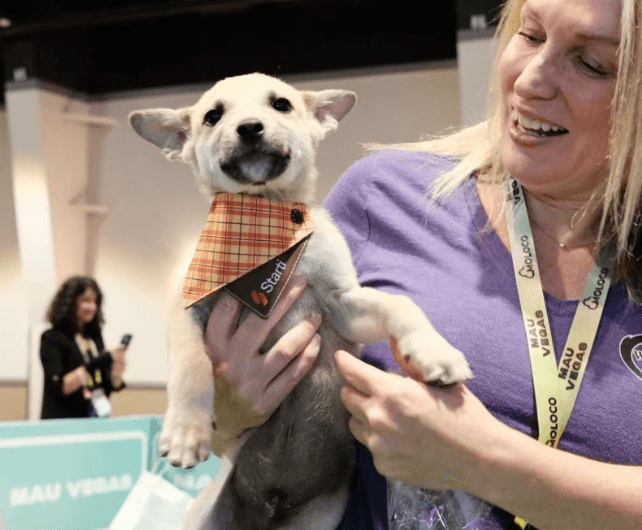
Beyond AI and CTV: The Story Behind Starti's Puppy Park
Sometimes the most memorable part of an industry event isn't a product demo or a keynote session. At MAU Vegas 2026, it was a space where people could spend a few minutes with rescue puppies and for some of those puppies, it led to a new home.
What Advertisers Asked Us Most at MAU Vegas 2026
Growth teams today face two challenges: acquiring users efficiently and producing enough creative to keep up with testing demands. At MAU, those were the conversations we had most often, and the reason Starti continues to invest in both CTV UA and AI-powered creatives.
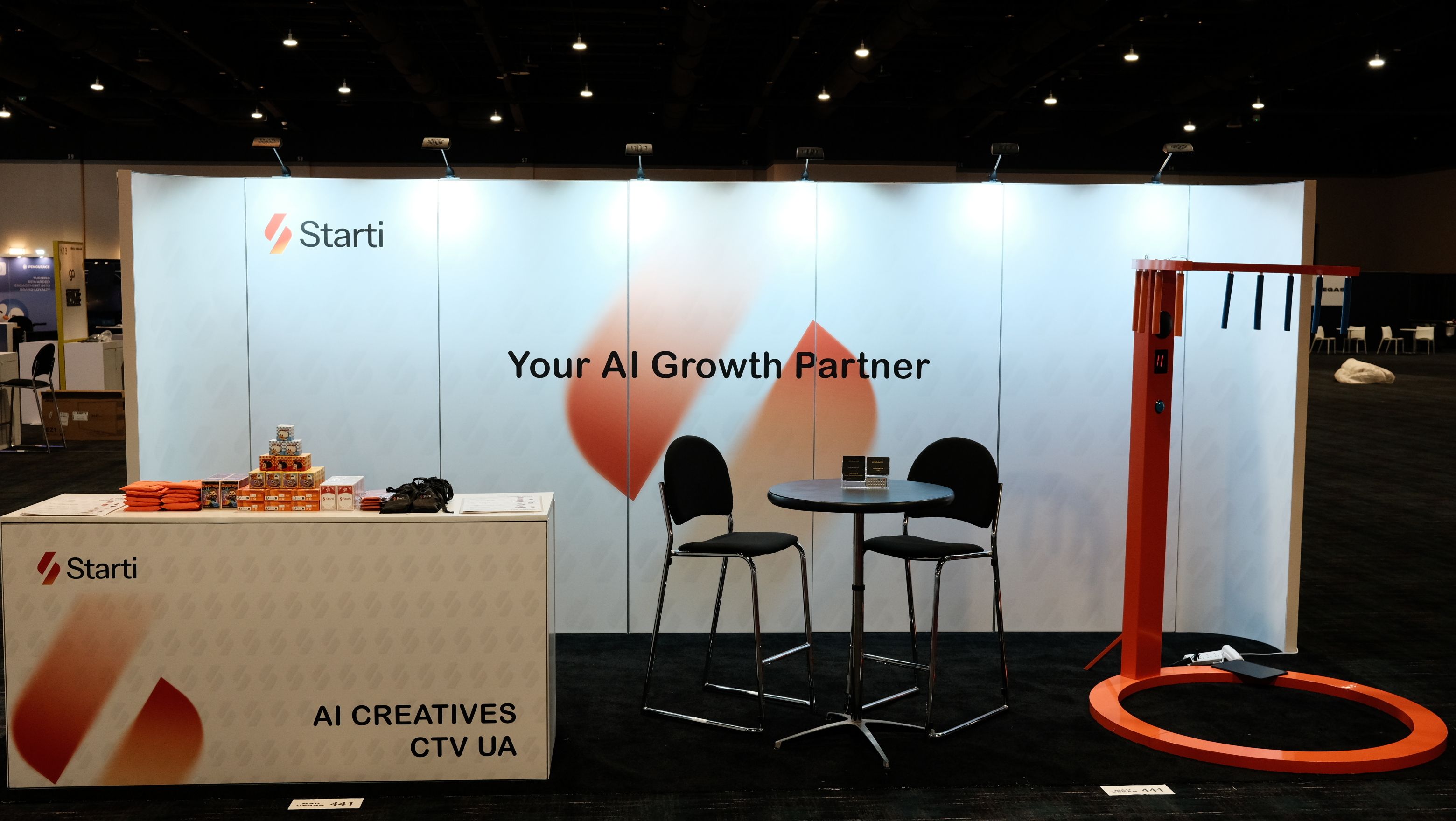
MAU Vegas 2026: A New Chapter for Starti
For Starti, MAU Vegas 2026 was more than an industry event. It was a chance to strengthen existing relationships, build new ones, and connect with the people behind the emails, calls, and LinkedIn messages. That's what made this year's MAU especially memorable.
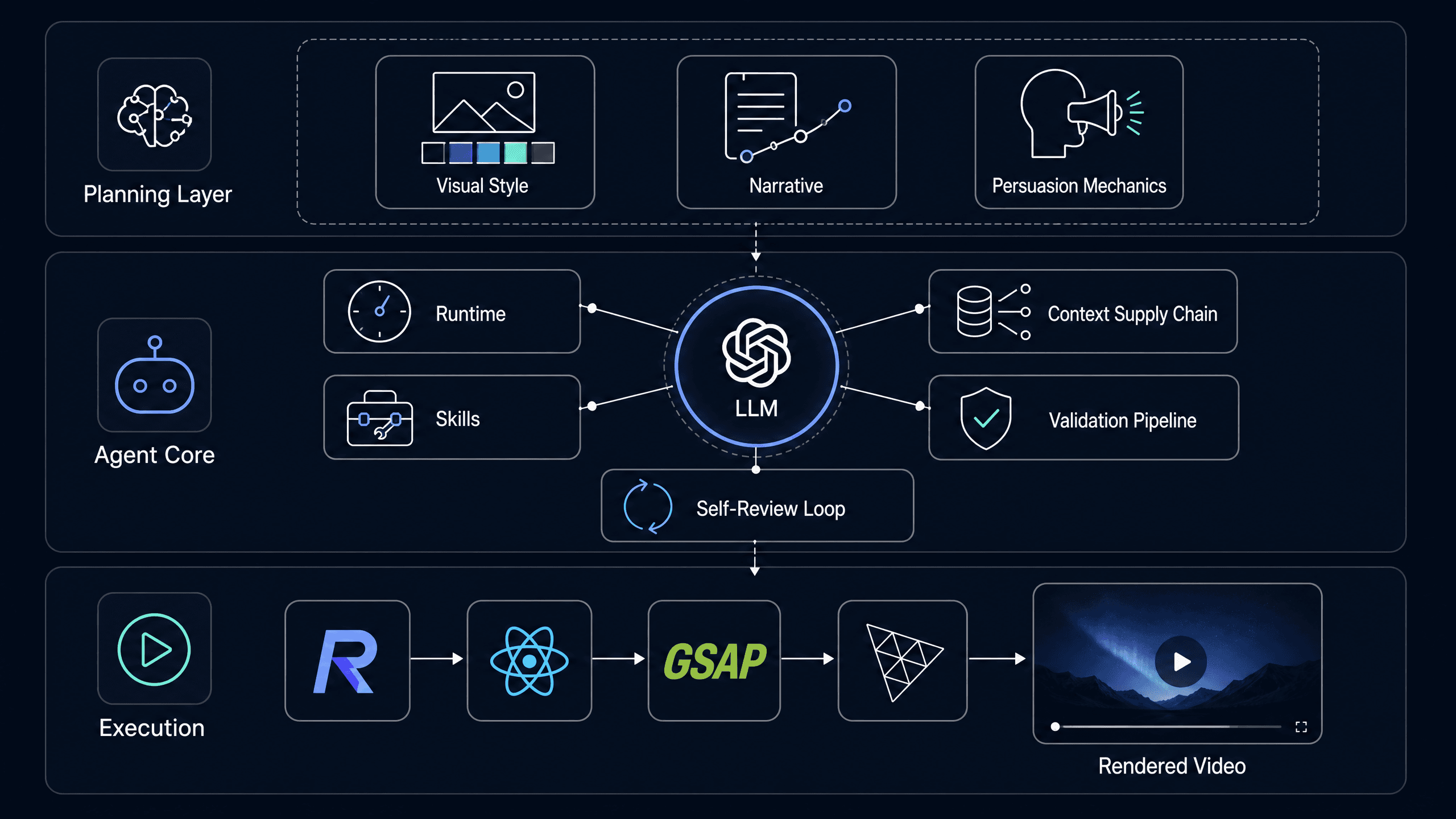
Harness Engineering for Starti.ai Video Agents
How We Build Motion Graphics That Actually Ship Part 1 of the Video AI Agent Engineering Series
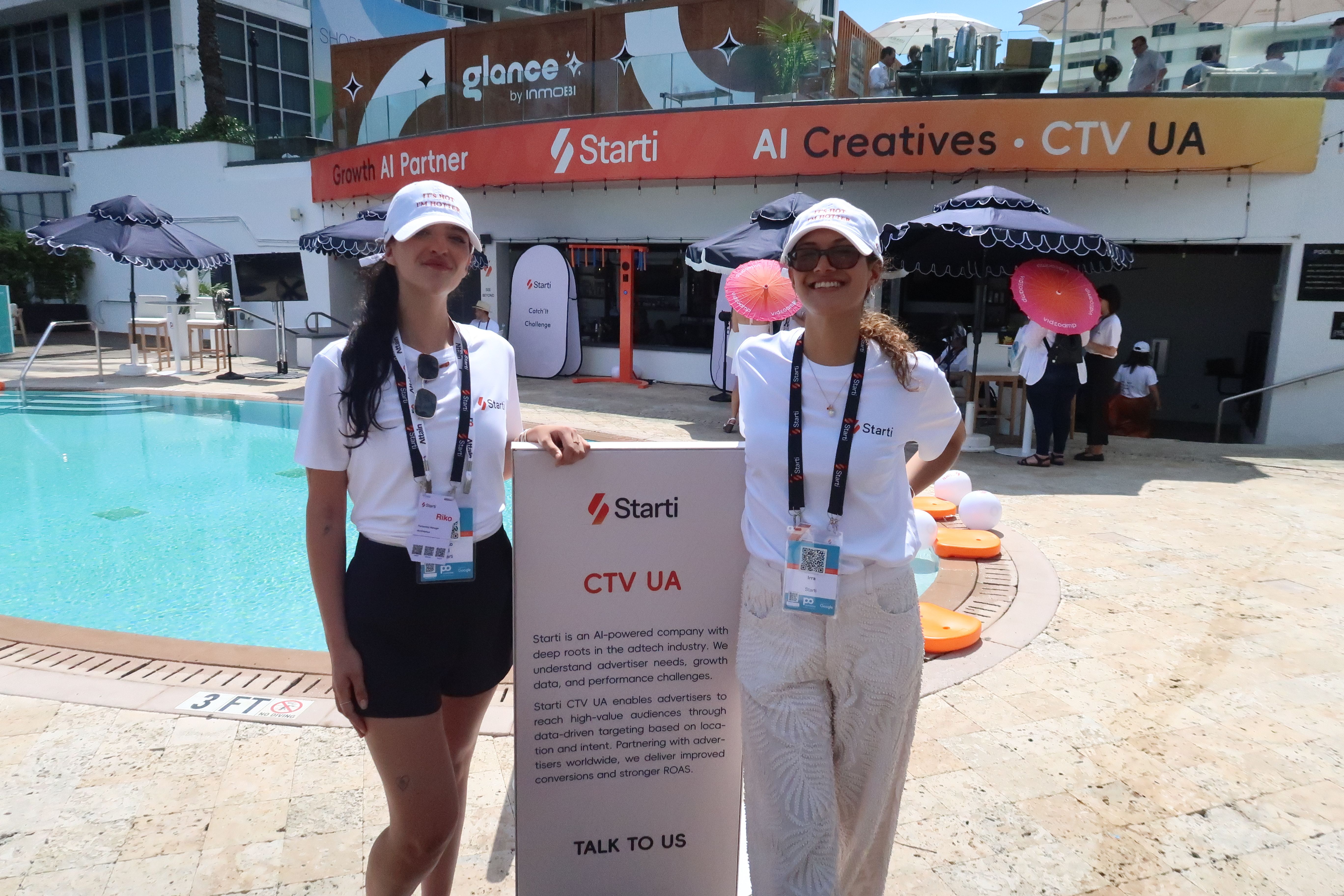
Starti at POSSIBLE Miami
At POSSIBLE Miami 2026, Starti showcased its AI creatives and UA solutions at Eden Roc Lounge #1300 and the Aquatica Pool Bar, connecting with attendees through product, conversations, and on-site experiences.
AI Studio 2.0: Closing the Loop on Ad Creative
It's about bringing creative production, campaign execution, and performance analysis together into one coherent system for the first time.

What Are Motion Graphic Ads? Examples, Benefits, and Best Practices
Motion graphic ads have become the default format for performance advertising across mobile, social, and connected TV. Here is what they actually are, why they work, and how to make them well.

What Nobody in UA Ever Told You About Performance
Creative is not a supporting role in UA. It is part of the system that drives performance.

From Creative Fatigue to Growth Fuel: Why the "AI Creative Loop" is the New Standard for App UA
In today's privacy-first world, the secret to app growth is simple: use AI to create ads that don't look like ads, and use real-time data to instantly make them even better.

From Q1 to Q2: What Performance Marketers Should Prepare for Now
Key Takeaway: Mid-March is a transition moment, not a slowdown. As Q1 closes, Easter and early summer intent signals begin shaping consumer behavior. With streaming now representing over a third of total TV usage, CTV remains a high-impact channel entering Q2. The teams that refresh creative and align messaging now will enter mid-year demand cycles with measurable advantage.

Competitor ad analysis: How to decode AI ad creative patterns
Competitor ad analysis for paid social and CTV: decode hooks, pacing, messaging patterns, and category white space using AI creative signals.
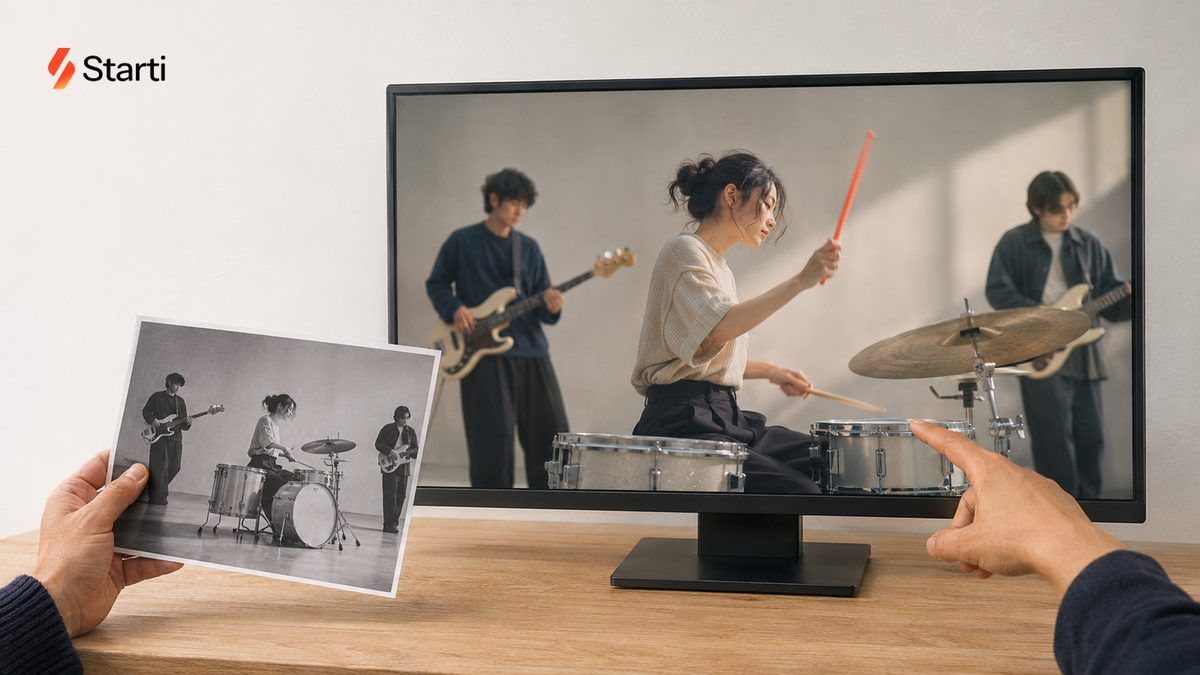
What is Starti AI Studio?
Starti AI Studio is an AI video ad platform: Video Agent makes ads, Smart Insight reads results on Meta, TikTok and Google Ads, and AI DAM holds brand assets.

Why Creative Quality Drives Campaign Performance
Key Takeaway: Creative quality has become one of the most decisive drivers of campaign performance. As media buying grows increasingly automated, creative execution is now the primary lever that shapes attention, engagement, and conversion. Teams that treat creative as scalable infrastructure rather than one-time output are better positioned to sustain growth.

Holiday Creative Strategy: From Festive Design to Performance Impact
Key Takeaway: Seasonal creative is not a decorative layer added to existing campaigns. It is a strategic opportunity to align messaging with cultural context and emotional timing. Teams that treat holiday moments as structured, iterative creative systems - rather than one-off adaptations - are better positioned to capture attention and drive performance.
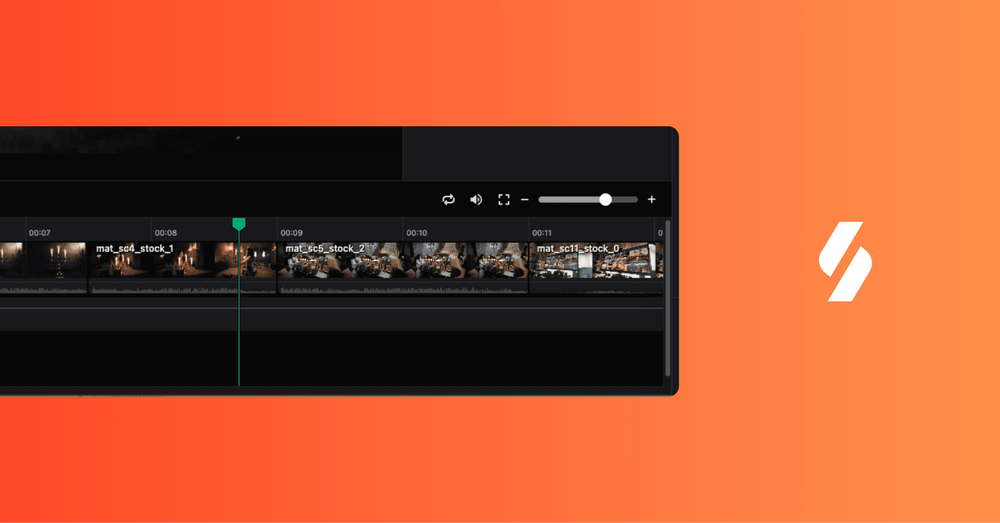
AI Studio Product Update
Key Takeaway: This update marks a shift from prompt-based generation to system-level editing. AI Studio now operates with continuous multimodal context across timeline, assets, and motion, enabling AI to participate more deeply in creative workflows rather than producing isolated outputs.
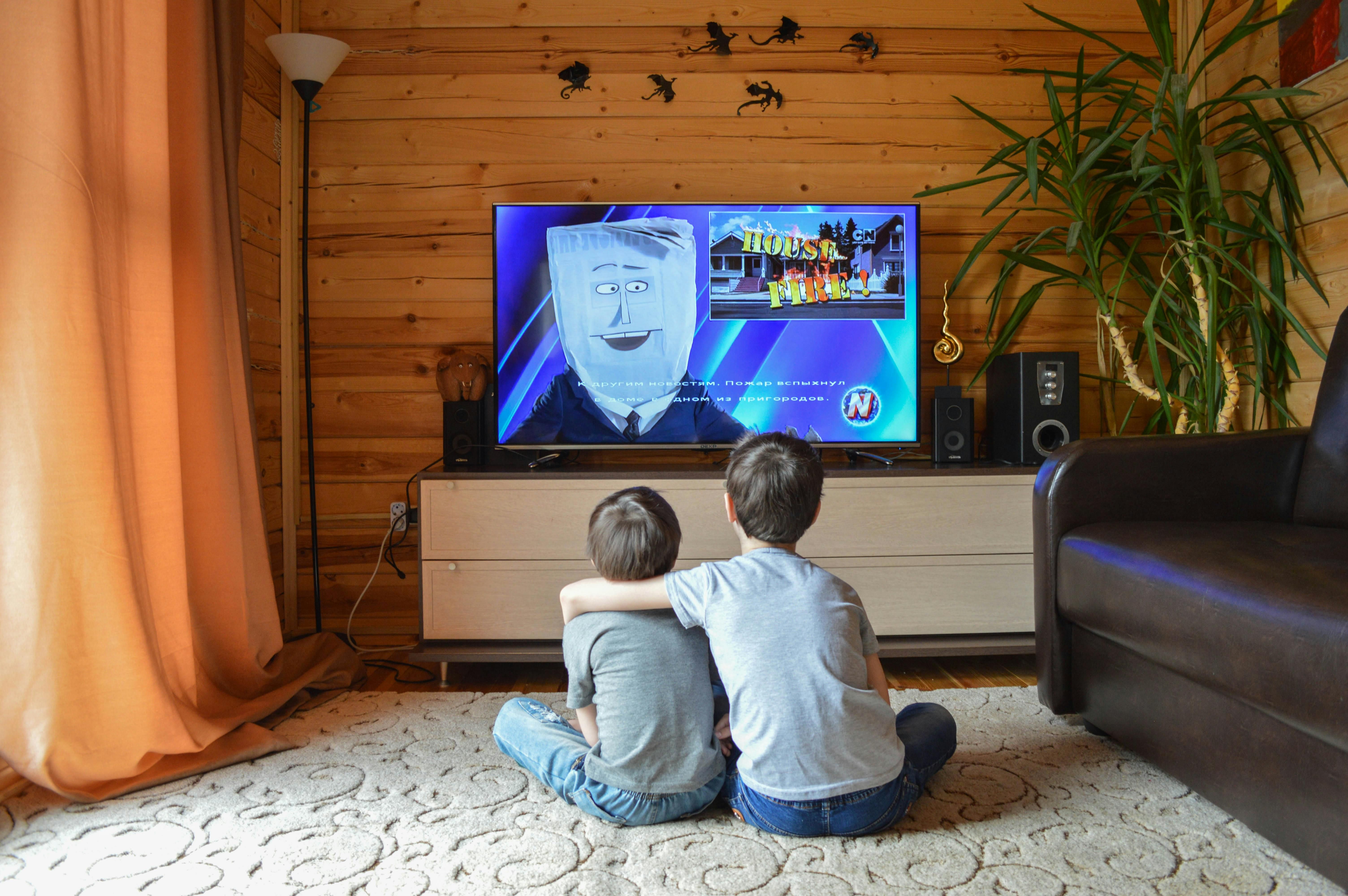
AI and the Future of CTV Performance
In performance-driven CTV, creative speed and adaptability matter as much as media optimization. AI closes the gap between performance insight and creative execution by turning creative from a slow, static input into a continuously evolving lever. Teams that use AI to accelerate iteration, learning, and decision-making can keep CTV creative aligned with real-time performance, making speed not a differentiator, but a necessary foundation for sustainable results.
Why 2026 Will Be the Year of Outcome-Based Advertising on CTV
Key Takeaway: In 2026, Connected TV (CTV) is poised to transition from a primarily brand-awareness channel to a measurable performance medium. This shift is driven by improvements in attribution technology, cross-platform measurement, and advertiser demand for verifiable business impact.

Beyond Creativity: Building Measurable Performance
Key Takeaway: The hardest part of performance TV isn’t making creative—it’s making it work. As AI tools make production effortless, the real value lies in the system that learns, optimizes, and connects creative to outcomes in real time.

CTV DSP Explained: What It Is and How to Choose the Right One
A CTV DSP buys streaming TV ads through auctions and deals. How buying works, what fees take before media, how to evaluate one, and how to measure a test.

Europe’s Finance App Landscape in 2025: Growth, Gaps and Strategic Lessons
Overview: The European finance app market is undergoing a strategic shift in 2025. What began as a phase of rapid digital adoption is now evolving into a mature, fragmented landscape where success demands both acquisition and retention excellence. Recent aggregated data from AppsFlyer reveals clear differences in how traditional banks, neobanks, investment platforms, and money transfer apps are performing — offering valuable lessons for marketers and product leaders.
CTV and the Future of TV Advertising: Why the Old Rules No Longer Apply
Key Takeaway: Connected TV (CTV) is not just another channel — it’s fundamentally changing how brands buy, measure, and optimize television advertising. Traditional TV was built on scarcity and broad reach; CTV democratizes access, introduces precision, and forces a rethink of performance measurement. The result? TV is no longer “disrupted” — it’s becoming data-driven and accountable.
Making Emotion Measurable: The New CTV Opportunity for Father’s Day
Key Takeaway: Father’s Day is more than a seasonal occasion—it’s a strategic moment to connect emotion with measurable performance. In the age of Connected TV (CTV), brands can use emotional storytelling not just to touch audiences, but to drive actions and lasting engagement.
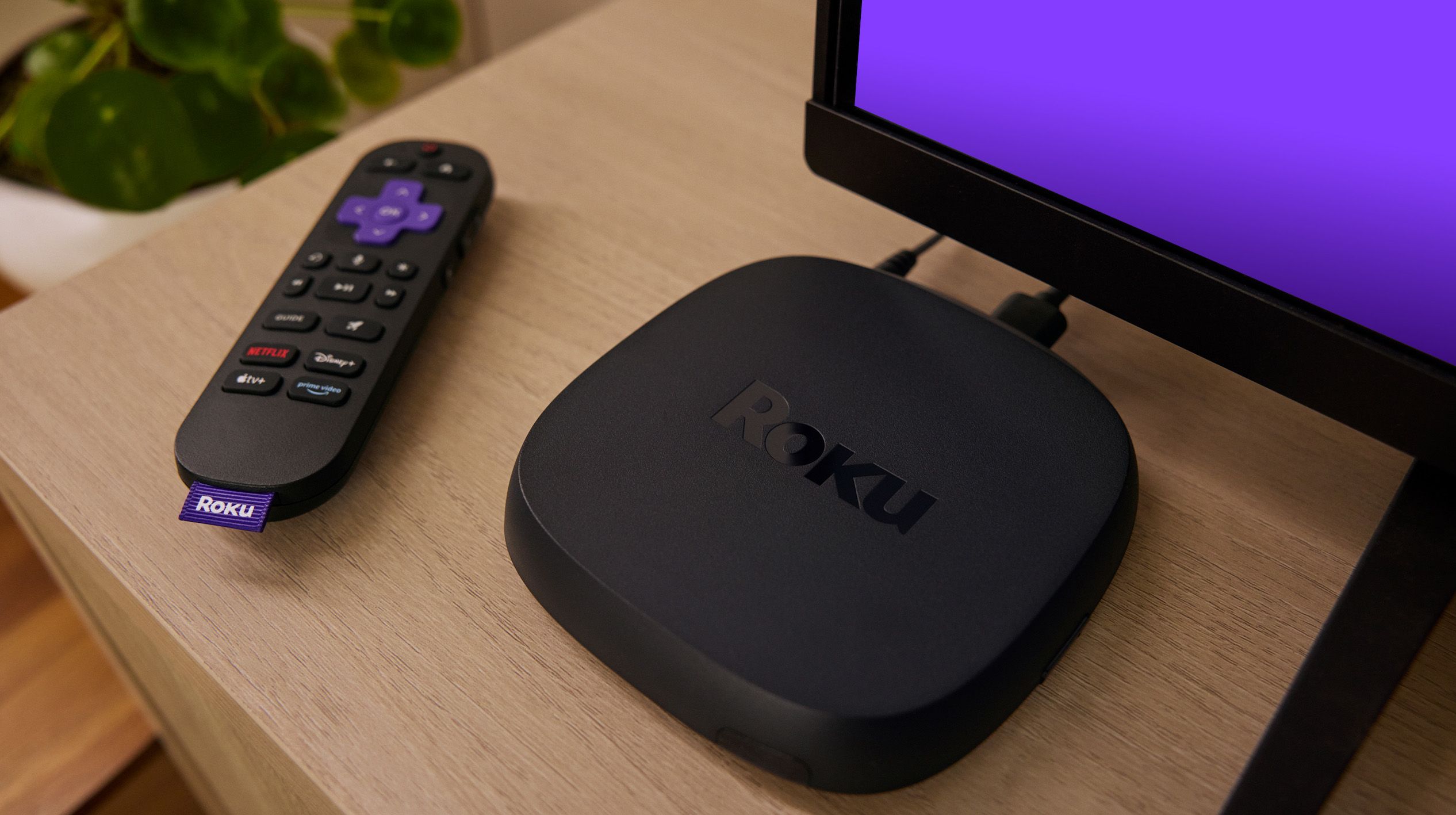
Roku Surpasses 90 Million Streaming Households
Roku has solidified its dominance in the streaming landscape, announcing a milestone of 90 million active streaming households in early 2025 and retaining its position as the No. 1 TV operating system in the U.S., Canada, and Mexico. Under the leadership of Jay Askinasi, Global Head of Media Revenue Operations, the company is redefining its role in the TV upfront market, shifting from an “incremental” to a “fundamental” partner for advertisers.

Esports Poised to Redefine Primetime Entertainment with Youth-Driven Engagement and Interactive Innovation
As traditional TV viewership declines among younger audiences, esports is emerging as the new frontier for primetime entertainment, blending competitive gaming, interactive storytelling, and community-driven experiences. With 625 million global streaming viewers in 2024 - nearly quadruple the NBA’s audience - esports is no longer a niche hobby but a cultural phenomenon reshaping how Gen Z and millennials consume content.
The Evolving Future of Performance TV: From Reach to Full-Funnel Impact
Performance TV is TV advertising judged on outcomes such as visits, installs, and sales. How it works, who it suits, which metrics to read, and how to start.

Making Every Screen Spark: CTV Holiday Ads That Work in 2024
Key Takeaway: The best holiday ads in 2024 will blend storytelling and performance. CTV gives marketers the chance to do both — to move hearts and drive measurable results.

How to Build a Brand That Truly Lasts in a Digital-First World
Key Takeaway: Building a brand today goes far beyond logos and taglines. A modern brand is defined by how it makes people feel, what it consistently delivers, and how it shows up across every touchpoint. In an era of fragmented attention and digital overload, brands that win do more than communicate — they connect.
CTV Advertising Innovations in 2024: What Brands Should Know
Key Takeaway: In 2024, Connected TV (CTV) advertising continues to evolve rapidly. New innovations are reshaping how brands reach audiences, measure performance, and optimize campaigns. From advanced audience targeting to smarter AI workflows, CTV is no longer just a growth channel — it’s becoming central to modern performance marketing strategies.
What Is OTT Advertising and Why It Matters in 2024
OTT advertising in 2026: how OTT differs from CTV, OLV and linear TV, current spend and viewing data, how to buy streaming inventory, and how to measure it.
What is CTV?
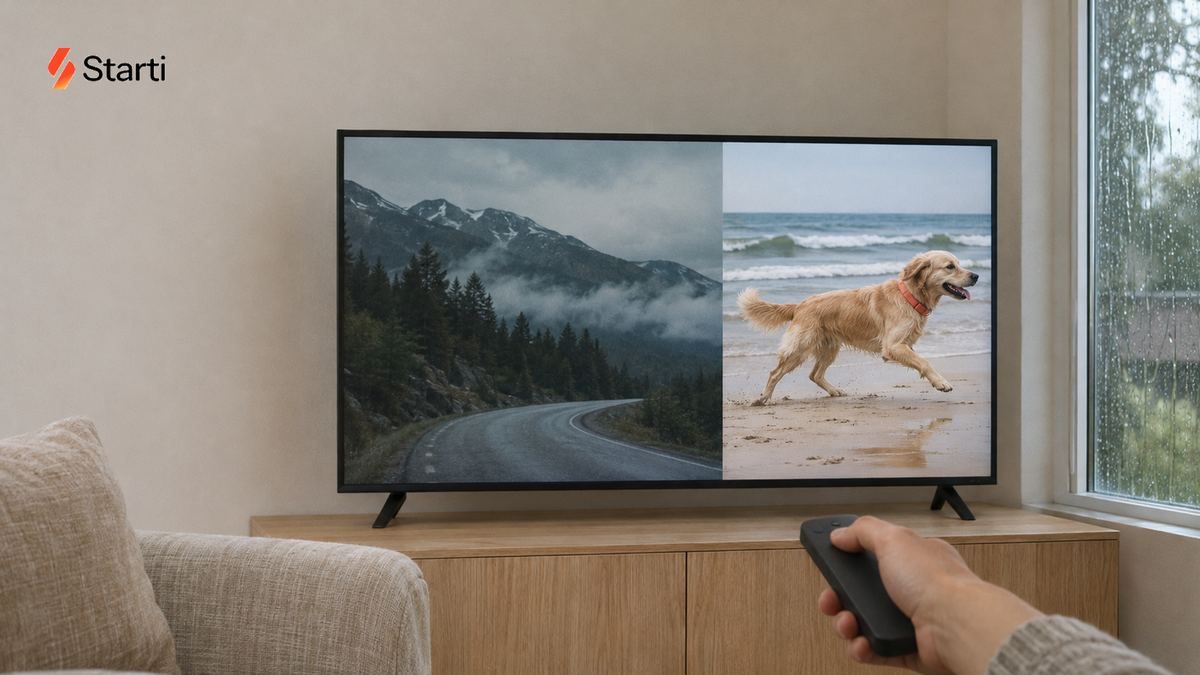
CTV advertising runs video ads on internet-connected TVs. What CTV means, how streaming ads reach the TV, premium inventory, buying, targeting, and formats.
Google’s Vision for CTV: AI-Driven Scale and Engagement
How Google and global advertisers approach CTV scale: smart TV product discovery, AI audience signals, first-party data, and full-funnel measurement.