
Holiday Creative Strategy: From Festive Design to Performance Impact
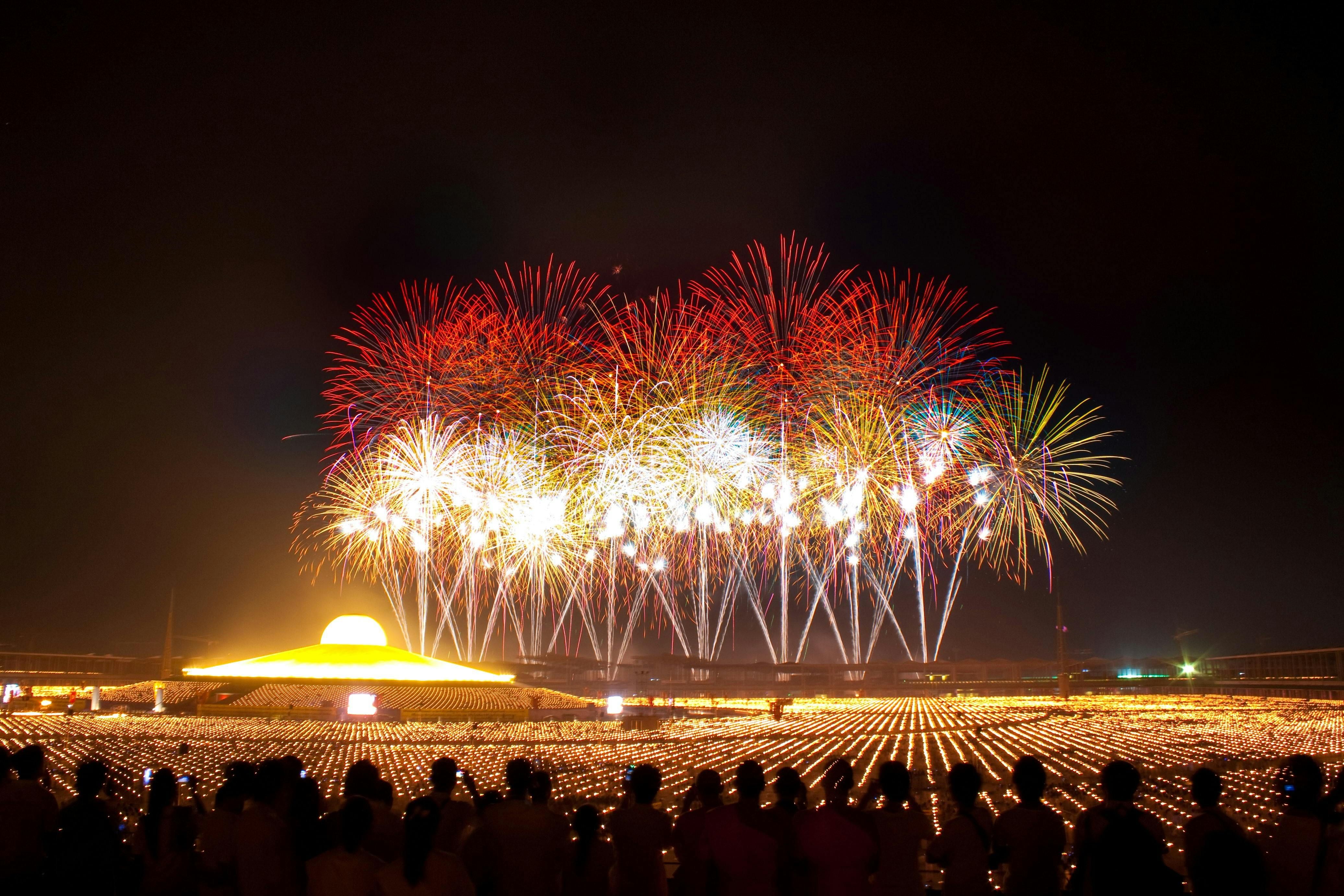
Seasonal campaigns have long been part of marketing calendars. From global shopping events to culturally significant holidays, brands consistently adjust messaging to reflect the time of year. However, many performance teams still approach seasonal creative as a surface-level modification — changing colors, adding festive elements, or updating a headline - without fundamentally adapting structure or storytelling.
In practice, seasonal creativity has a measurable influence on engagement and conversion. During holidays and cultural events, audience attention is heightened. Users are more emotionally receptive and more likely to respond to contextually relevant messages. Creative that reflects the mood, urgency, or symbolism of a specific season often performs better because it feels timely and intentional.
The effectiveness of seasonal campaigns depends on alignment. When narrative tone, pacing, and visual language match the cultural moment, creative feels coherent. When seasonal references are added without structural adjustment, the message often appears generic. In highly competitive advertising environments, especially during peak holiday periods, generic creative struggles to stand out.
Three factors consistently shape strong seasonal performance: contextual relevance, narrative clarity, and speed of adaptation. Relevance ensures that messaging resonates with the moment. Narrative clarity ensures that the creative communicates value without distraction. Speed of adaptation ensures that campaigns launch while attention is at its peak.
Execution speed is often the limiting factor. Seasonal windows are short, and audience engagement spikes quickly. Traditional production cycles can delay deployment, reducing the impact of even well-designed campaigns. By the time assets are finalized, the highest-intent period may already be declining. This timing gap creates missed opportunity.
High-performing teams treat seasonal campaigns as iterative systems rather than one-time creative refreshes. Instead of producing a single holiday version of an ad, they develop multiple variations tailored to different emotional tones, audience segments, and urgency levels. They test alternative hooks, experiment with pacing adjustments, and refine calls-to-action as the season progresses. This approach increases the probability of identifying high-performing combinations within a compressed timeframe.
To support this level of responsiveness, creative workflows must be flexible. Teams need the ability to quickly generate thematic variations, update visual elements without restarting production, and adjust tone or motion without rebuilding the entire asset. Without scalable processes, seasonal campaigns become reactive instead of strategic.
AI-assisted creative workflows are increasingly enabling this shift. Systems designed for rapid iteration allow teams to move from seasonal concept to editable video asset more efficiently. Starti AI Studio, for example, supports rapid variation, configurable motion graphics, and conversational editing, making it possible to adapt creative in response to evolving campaign performance during peak periods. The focus is not on replacing creative direction, but on reducing friction between idea and execution.
Seasonal performance marketing is ultimately about timing and relevance. When creative aligns with cultural context and launches at the right moment, engagement tends to increase. When timing or execution lags, even strong offers can lose impact.
As advertising environments continue to accelerate, the ability to adapt creative quickly to seasonal moments becomes a structural advantage. Seasonal creativity is not merely about festive design; it is about operational agility. Teams that build systems for rapid, contextual creative adaptation are more likely to sustain performance across recurring cultural cycles.
FAQs
Why does seasonal creative strategy matter for performance marketing?
Seasonal creative matters because audiences are more emotionally receptive during holidays. Campaigns that align tone, pacing, and design with cultural context feel timely and intentional, driving stronger engagement and conversion compared to generic updates.
What differentiates effective seasonal ads from generic ones?
Effective seasonal ads go beyond color changes or festive icons. They integrate narrative clarity, contextual relevance, and platform-specific pacing. When storytelling reflects the mood of the moment, creative feels authentic—helping brands stand out in crowded ad environments.
Why is timing crucial for seasonal campaign success?
Seasonal engagement peaks quickly. Slow production cycles often cause brands to miss high-intent windows. The ability to launch, test, and iterate creatives in real time can significantly boost ROI before audience attention declines.
How can teams improve creative speed and flexibility?
High-performing teams produce multiple creative variations—testing different tones and calls-to-action—to find top performers fast. Tools like Starti AI Studio enable rapid video adjustment, configurable motion design, and conversational editing to reduce bottlenecks.
What is the long-term advantage of adaptive seasonal workflows?
Adaptive creative workflows turn holidays into repeatable growth cycles. By combining AI-driven agility with cultural insight, brands maintain consistent performance across seasons—an approach aligned with Starti’s vision for scalable, data-informed CTV excellence.