
From Q1 to Q2: What Performance Marketers Should Prepare for Now

As Q1 comes to a close, performance teams are entering one of the most underestimated strategic windows of the year. Mid-March is not simply the end of a quarter—it is the transition point into Easter campaigns, early summer travel demand, and Q2 budget reallocation.
Unlike Q4, where urgency drives short-term spikes, Q2 performance is built gradually. The brands that prepare now will enter April and May with momentum, while others will scramble to adjust messaging after demand has already shifted.
Streaming Behavior Remains Elevated Heading into Q2
Media planning decisions must begin with audience behavior. According to Nielsen’s The Gauge, streaming accounts for more than 38% of total TV usage in the United States, surpassing traditional cable in recent reports.
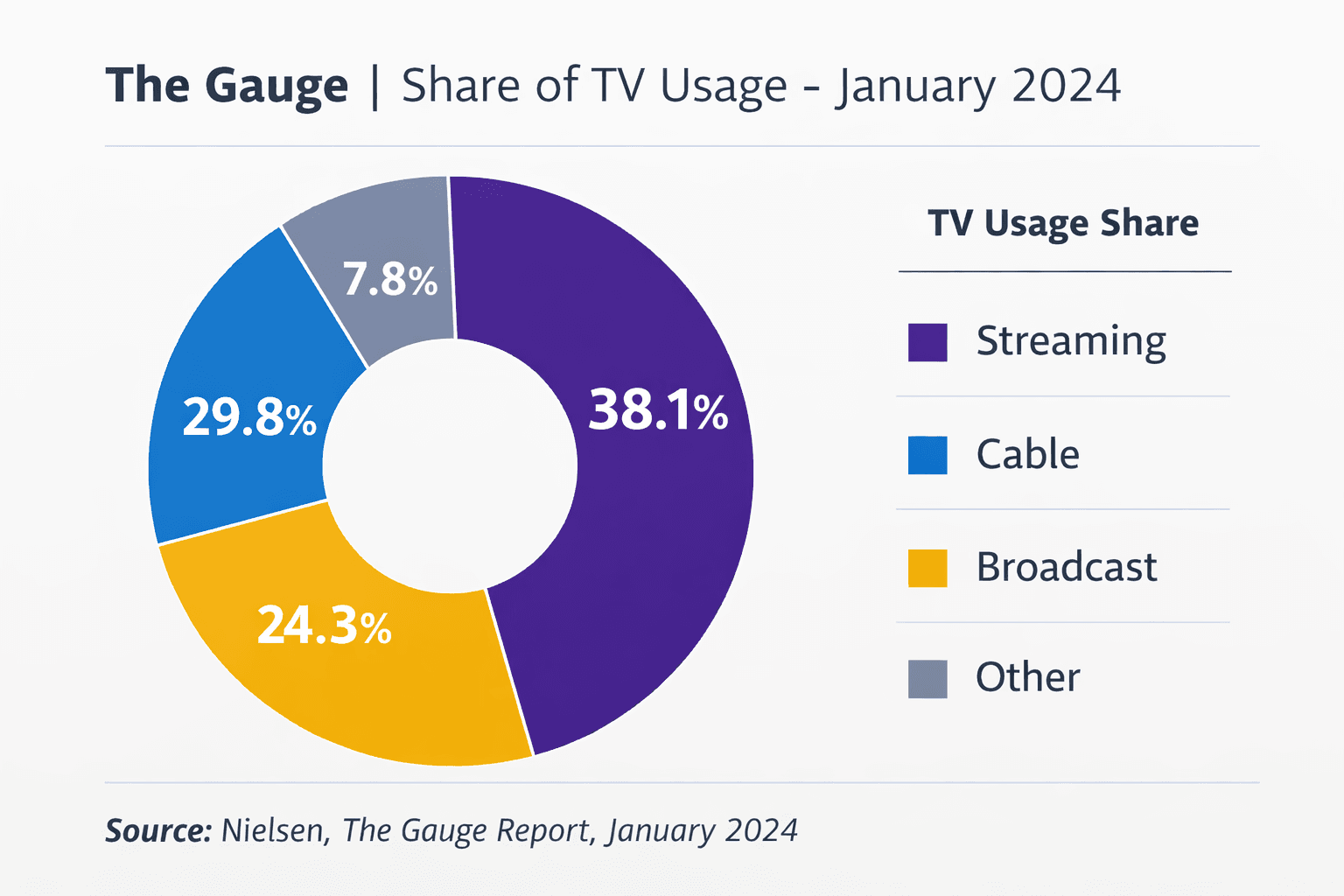
As Q2 approaches, streaming consumption does not decline. Evening engagement remains strong, and connected TV continues to serve as a primary discovery channel for travel, subscription services, fintech products, and lifestyle upgrades.
For CTV advertisers, this means the channel remains structurally strong entering spring.
Easter Signals the First Intent Shift of the Year
Easter, which falls in late March or April depending on the calendar, marks the first meaningful retail and promotional activation after Q1. Search trends and promotional activity typically rise two to three weeks before the holiday.
Unlike Black Friday, Easter campaigns often operate in a less saturated advertising environment. CPMs tend to be more stable, and competition is category-specific rather than universal. For performance teams, this makes late March the ideal time to test creative positioning and optimize ahead of heavier summer demand.
But Easter is only the beginning.
Summer Travel Demand Begins Earlier Than Most Teams Expect
Travel planning accelerates well before June. According to industry reports aggregated by travel analytics platforms and referenced by Statista, U.S. summer travel spending increases significantly compared with early Q1 levels, with strong booking activity beginning in late March and April.
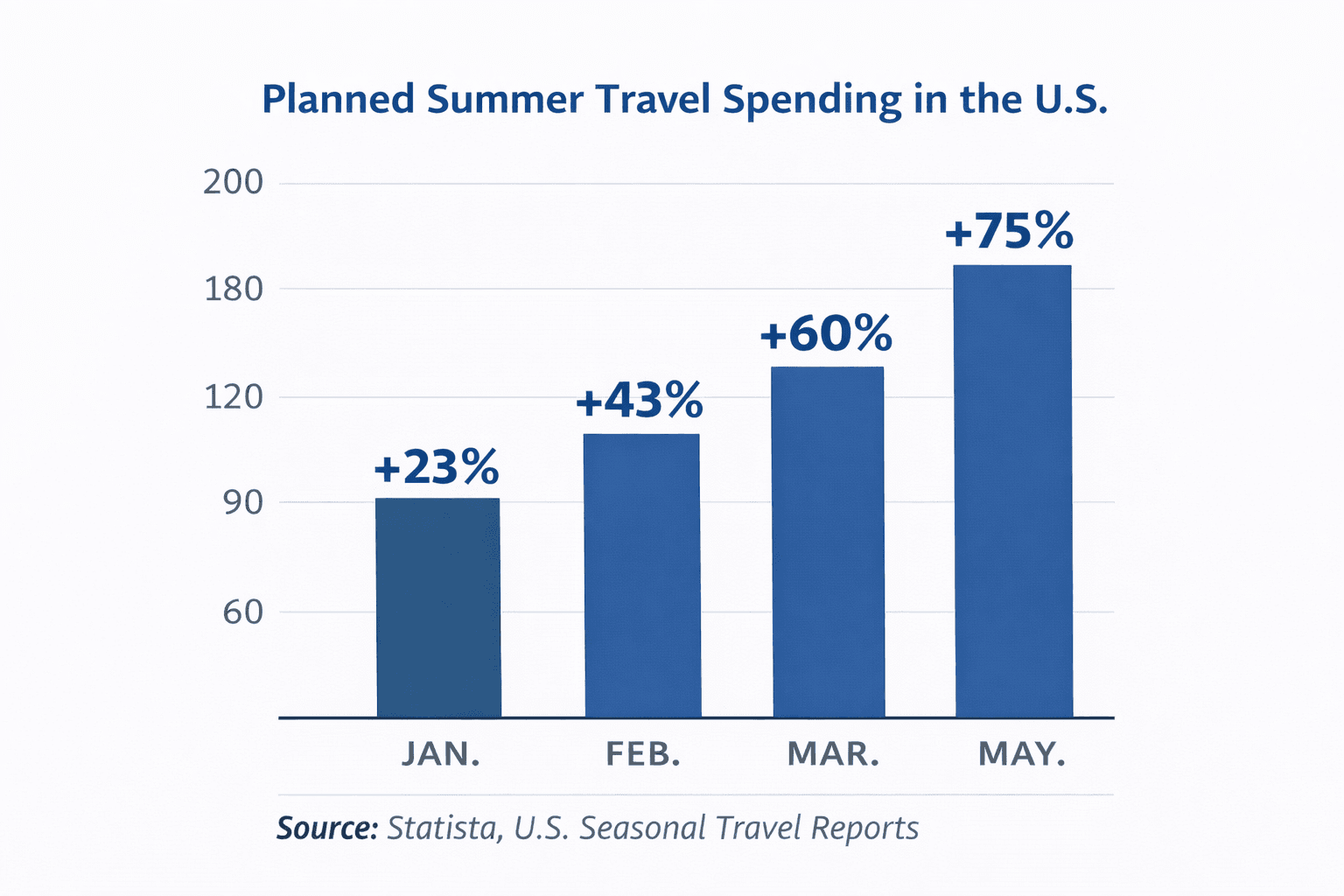
For subscription apps, fintech platforms, mobility services, and e-commerce brands, this early planning period creates an opportunity to position offers before competition intensifies in June.
Why Creative Agility Matters at the End of Q1
March is also when many brands review Q1 performance data and reallocate budgets. The risk is focusing only on media optimization—adjusting bids or targeting—without refreshing creative direction. Q2 demand evolves quickly. Messaging that worked in January may feel misaligned by April. In connected TV environments, where viewers engage with ads on larger screens and repetition is more noticeable, creative fatigue can appear faster than teams expect. This is where AI-driven workflows provide structural advantage. Rather than rebuilding campaigns from scratch for Easter and then again for summer, marketers can iterate messaging, adjust positioning, and deploy new creative variations aligned with shifting intent signals. Preparation in March determines momentum in May.
Q1’s End Is a Strategic Starting Point
The final weeks of Q1 are not simply about closing reports. They are about positioning for the next demand cycle. Easter activations, early travel planning, and summer budgeting all begin before Q2 officially starts. Streaming behavior remains elevated. Mid-year spending signals are forming. Competition has not yet peaked. For performance teams investing in CTV, now is the window to test, iterate, and prepare before seasonal demand accelerates.
FAQs
Why is late March a key strategic window for marketers?
Late March marks a transition between Q1 and Q2, when Easter campaigns, early summer travel planning, and budget reallocation intersect. Teams that prepare their creative and messaging now gain momentum into April and May while competitors rush to catch up later.
How is streaming behavior shaping Q2 campaign planning?
Streaming usage remains elevated, now surpassing 38% of total TV viewing. Platforms like Connected TV continue driving discovery for travel, fintech, and subscription services—making them prime channels for advertisers to sustain engagement through spring.
What makes Easter significant for performance marketing?
Easter signals the first major retail activation of the year. CPMs are stable, competition is lower, and intent rises weeks before the holiday. It’s a perfect window to test creative positioning before higher summer demand and spending intensify.
When should advertisers prepare for summer travel demand?
Summer travel planning accelerates far earlier than June—starting in late March and April. Brands in e-commerce, mobility, or finance should position offers now to capture early booking momentum and establish visibility before competition peaks midyear.
Why does creative agility matter heading into Q2?
Creative fatigue forms quickly in CTV environments, where repeat exposure is higher. AI-driven workflows—like those offered by Starti—help marketers refresh ads, adjust messaging, and iterate faster, turning Q1 insights into adaptive creative momentum for Q2 growth.